
Complete guide to 90s rave
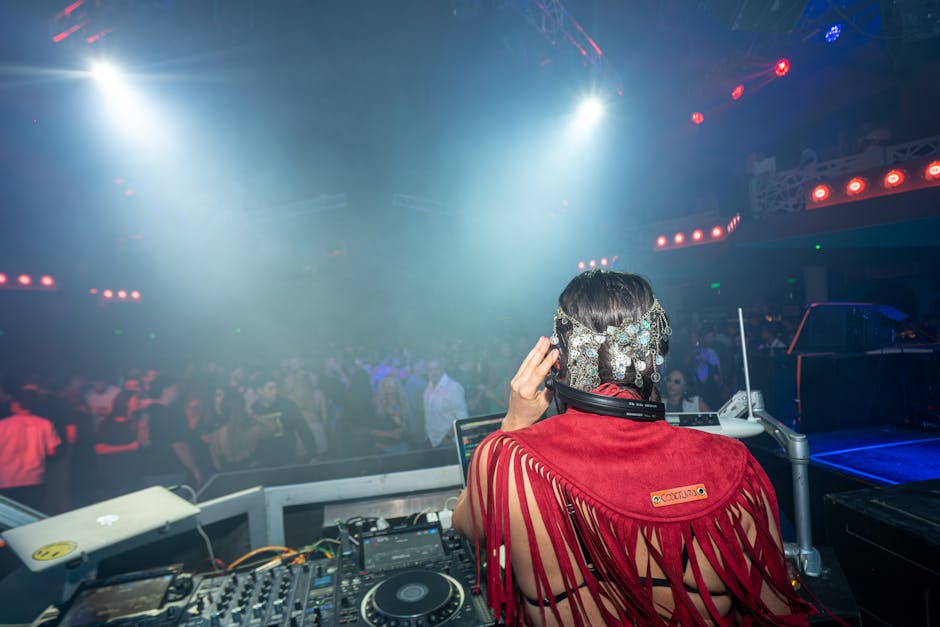
Where It All Broke Loose: A Night Under the M25
No one who’s worked with older British promoters forgets the organizational chaos behind those early UK raves. In real industry workflows back then (say, London’s Orbital parties circa ‘-‘), organizers used burner pagers and landlines to announce last-minute venue changes. “You’d get a call at 11pm telling you to meet on the edge of some industrial estate,” says Mark Archer from Altern-8. Sometimes thousands would show up—a scale almost unimaginable now without social media. By mid-, estimates from Mixmag magazine put attendance at illegal UK raves around , per month.
Sound Systems as Business Cards: Spiral Tribe & French Fields
While record labels like XL Recordings were building global brands off the back of acts like The Prodigy, on-the-ground logistics often centered around collectives hauling their own sound rigs across borders. Spiral Tribe—a name whispered reverently even today—became famous for driving ex-army trucks loaded with Funktion-One speakers through France after the UK’s Criminal Justice Act clamped down in ‘. A typical workflow? Rigging gear under tarps by moonlight while lookouts watched for local gendarmes. In rural Brittany during the Teknival festival (an event still referenced by European audio engineers), attendance ballooned past ,—almost all word-of-mouth.
Techno Exports: From Frankfurt to Melbourne Dancefloors
Rave was never just an English affair. In Germany’s Ruhrgebiet region circa , clubs like Tresor in Berlin and Omen in Frankfurt started booking Detroit legends such as Jeff Mills and Juan Atkins. Their sets laid groundwork for what is now called “Berghain techno.” Even smaller cities—Düsseldorf, Leipzig—developed semi-clandestine circuits where DJs would play marathon sets using nothing more than Technics SL- turntables and battered Mackie mixers. Australian production companies took notice too: Sydney-based Central Station Records imported white-label vinyl directly from Rotterdam’s Midtown Records warehouse by air twice monthly—a modest operation that helped spark Australia’s first legal outdoor festivals by .
Drugs Were There (But Not Like You Think)
Every journalist gets asked about ecstasy when covering this era—and yes, MDMA was everywhere—but insiders know half the challenge was logistics: ensuring safe environments before “harm reduction” became an industry term. By late ‘90s Amsterdam events like Dance Valley had dedicated testing tents run by groups such as Unity Nederland. European health officials quietly tracked usage patterns; informal reports suggested over % of attendees at large-scale Dutch events experimented with synthetics at least once per season—but also found dramatically lower hospitalization rates compared to unsupervised UK field parties earlier in the decade.
Fashion Was Functional First (Then Iconic)
The visual clichés are true because they were practical: high-vis vests made it easier to find friends under strobe lights; JNCO jeans hid everything from water bottles to smoke machines parts for enterprising crew members; masks kept identities anonymous during police crackdowns but soon became part of brand-building—as seen with acts like Daft Punk (who played their first helmeted gigs in Paris warehouses circa ‘). Today’s designers—from Raf Simons to niche Berlin label UY Studio—still reference these silhouettes on runways.
Pirate Radio & DIY Flyers: The Real Social Networks
Forget Instagram stories—in London, pirate radio stations like Kool FM broadcast jungle mixes over static-filled airwaves up to nine hours nightly. An average campaign involved hand-cut flyers distributed at key tube stops or outside HMV stores on Oxford Street (some nights you’d see entire car parks covered ankle-deep). Printing runs hit tens of thousands weekly for big names like Fantazia or Dreamscape—a scale rarely matched even by modern digital campaigns targeting subcultural scenes.
Case Study: Warehouse Takeovers in Poland Post-’
After observing several Warsaw-based crews adapt Western tactics post-Iron Curtain, a typical Polish workflow involved bribing security guards at disused factories along Praga Polnoc district riverbanks. One organizer told me they could fill venues holding up to 1, people with only two days’ notice using SMS trees borrowed from German contacts (think WhatsApp before smartphones). Ticketing? All cash at door—no lists—and every major event saw between five and fifteen minor police interventions per year until authorities finally issued limited-use licenses around .
Legacy Tools Still Echo Today
A few tech artifacts persist far beyond their shelf life because they simply work. Pioneer DJM series mixers—the same models carted through muddy British fields two decades ago—remain standard kit for small European festivals today due to their near-indestructible build quality (with used units still trading hands online for €–€). Roland TB- bassline machines fetch collector prices not just out of nostalgia but because modern clones rarely capture their growling resonance; I’ve seen producers from Helsinki to Madrid revert back to original hardware even when running fully digital studios.
The Unfinished Story
No neat ending here—the legacy is messy as ever. While mega-brands now dominate main stages from Tomorrowland Belgium to Sónar Barcelona (sometimes booking old-school names purely for cachet), there’s still an undercurrent pushing against commercialization: DIY crews popping up in Athens’ ex-industrial zones; pop-up radio stations broadcasting acid house deep into Serbia; tiny record shops in Lisbon curating only vintage trance pressings for collectors who remember when it all felt dangerous.
If anything has changed since those early mornings under ring roads or ferry terminals outside Rotterdam—it’s just this: today’s ravers have better shoes and better broadband, but underneath it all? Same pulse.