
Inside the rise of rave music
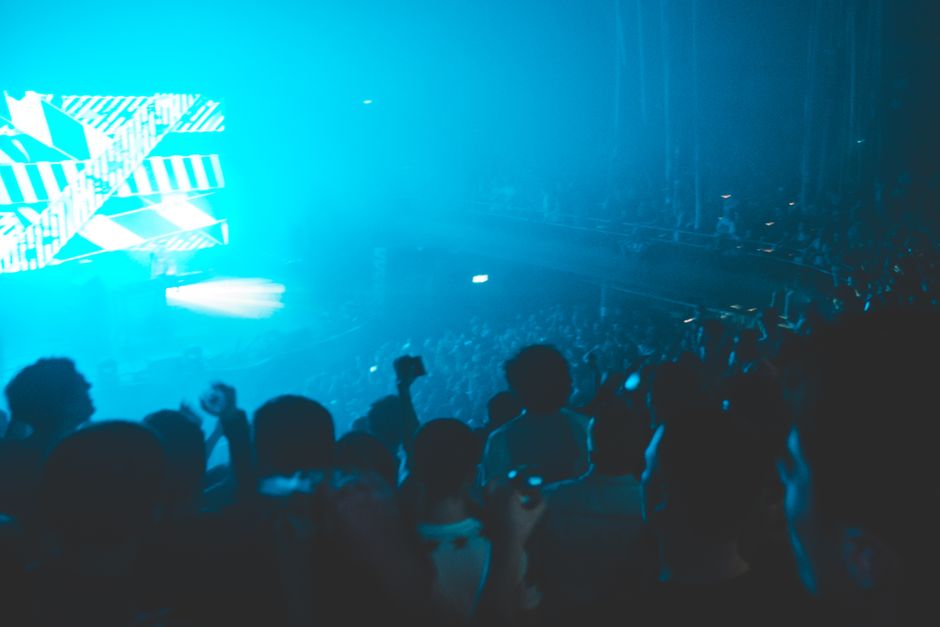
Let’s not pretend it started on the dancefloor. The rise of rave music—acid house, breakbeat, techno—was more about stubborn hope in abandoned spaces than anything sold today under neon festival banners.
Somewhere between Manchester’s decaying mills and Berlin’s reunified concrete, a movement began in the late 1980s that nobody really planned. Illegal parties weren’t supposed to last. In practice, they became Europe’s most persistent youth export since punk.
The Scene That Shouldn’t Have Worked
It’s . The UK government is threatening clubs with closure; police vans idle outside vacant car parks near Stoke-on-Trent. Despite this, promoters like Tony Colston-Hayter (of Sunrise) are coordinating events using pirate radio and coded flyers. There are no digital platforms yet—just phone trees and word of mouth.
But something strange happens: by , what started as a fringe rebellion goes mainstream. Virgin Records licenses compilation albums like “The Best of Acid House.” Suddenly, even local corner shops in Bristol stock glowsticks beside cigarette lighters.
How Berlin Built an Industry from Ruins
In unified Berlin circa —a city still scarred by division—the techno scene blossoms as a kind of urban renewal project. Tresor nightclub opens in a former bank vault under Leipziger Straße; its founders (including Dimitri Hegemann) pioneer what would become Germany’s most influential club brand.
Walk into Tresor on any given Saturday and you’d see what passes for workflow: bouncers filtering crowds for attitude rather than dress code; DJs hauling stacks of vinyl through labyrinthine tunnels; light techs improvising installations out of scavenged hardware store parts.
By , Berlin hosts over legal clubs playing electronic music nightly—a massive leap from just a handful five years earlier. Today, VisitBerlin estimates electronic club culture brings over €1.5 billion annually to the city economy, driven largely by international ravers making pilgrimages to places like Berghain or Sisyphos.
From Pirate Radio to Streaming Algorithms: London Case Study
London’s rave DNA mutated quickly once technology caught up. By the late ‘90s, stations like Kool FM broadcast jungle and drum & bass across tower blocks using illegal transmitters taped to elevator shafts.
Fast-forward to now: companies like Boiler Room have turned that underground approach into a global streaming powerhouse. Their first live-streamed party in Dalston () was just a webcam pointed at a DJ table in someone’s cramped office space; within four years they were syndicating events from Tokyo to São Paulo with six-figure sponsorship deals from Adidas Originals and Ray-Ban.
A typical Boiler Room workflow involves minimal physical infrastructure—one camera crew plus local audio engineers—but delivers millions of views per session online (the average set gets over 100k views within two weeks). For many young producers who can’t get booked at Fabric or Printworks yet, getting picked up by Boiler Room means instant international exposure.
Not Just Ecstasy and Strobe Lights: Sydney’s Strange Adaptation
Australian cities had their own delayed reaction to all this noise—and their own headaches too. In Sydney during the early 2000s, strict lockout laws forced raves deeper underground but also fostered tighter-knit communities around labels like Motorik or collectives such as S.A.S.H., which host sunrise-to-sunset parties in secret warehouses along Parramatta Road.
In real campaigns observed across these Australian circles, ticket sales rarely happen via public channels; instead organizers rely on closed Facebook groups or encrypted messaging apps (Telegram is a popular choice). Physical wristbands often double as access codes for after-parties—a workaround developed after several high-profile police raids made headlines in -.
Local audio equipment rental companies report demand spikes every year around Mardi Gras and Vivid Festival season—sometimes up to % higher than off-season months—as pop-up raves remain an integral if shadowy side hustle for much of Sydney’s event industry workforce.
Contradictions at Scale: Commercialization vs Authenticity
There is friction here. When Spotify launched its curated “Rave Classics” playlist in , old-school fans mocked it for featuring acts who never played an illegal party—or ever saw sunrise from inside an Essex barn roofed with tarps.
Yet festivals like Tomorrowland continue selling out in minutes (400k tickets annually), while smaller DIY crews fight venue closures everywhere from Paris’ outskirts to Detroit’s warehouse district. The tension between nostalgia-driven branding and spontaneous new scenes hasn’t resolved itself—it probably never will.
A Soundtrack for Unfinished Cities
What unites all these scenarios? It isn’t just BPMs or sub-bass—it’s process over product: workflows cobbled together with whatever tools are available, whether that means hacked-together sound systems or AI-powered promotion bots now used by mid-size European collectives trying to stand out online.
Rave music didn’t rise because someone designed it that way. It survived because people kept building temporary homes for it—in old factories, vaults beneath streets, rooftop parking lots above Woolloomooloo—and then moved on before anyone could catch up long enough to shut them down.