
Inside the rise of techno rave radio professional guide
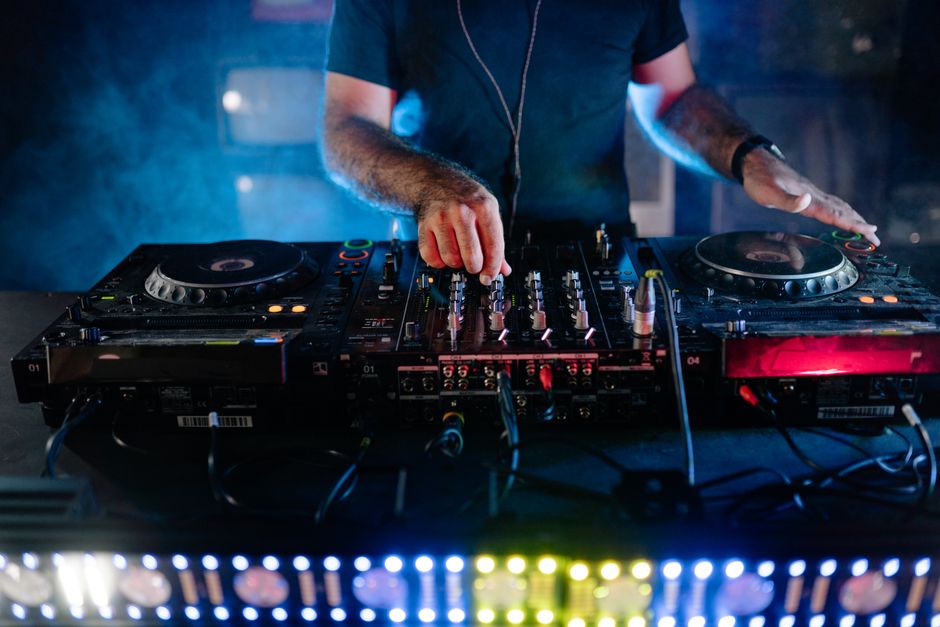
It’s a Thursday night in Berlin, but the club isn’t open. Instead, behind an unmarked door in Kreuzberg, a collective called Interference FM hosts its weekly broadcast—a webstreamed show clocking 3, live listeners and another , on-demand replays last month. Their gear? An aging Allen & Heath mixer rescued from Tresor’s renovation, a loop of modular synths patched through Ableton Live, and three resident selectors crossfading between hard-hitting vinyl and unreleased digital promos sent from Kyiv to Melbourne.
A decade ago, techno rave radio meant pirate frequencies scraping above the static or niche slots on university airwaves. Now, with global listenership spiking—Mixcloud alone claims over 8 million monthly users tuning into electronic music-specific channels—the professionalization of this scene is reshaping how DJs build audiences and labels break tracks. But not everyone buys into the optimism.
Not Your Parent’s Pirate Station
“I remember when you’d have to climb onto rooftops just to boost your signal above traffic noise,” laughs Mark Reeve, who cut his teeth at London’s Flex FM during the late 90s. Today he curates Pulse Patterns—a biweekly show for Ibiza Global Radio that syndicates across five European markets (Spain, Germany, Poland, Hungary, France), reaching what the station estimates as , unique listeners per quarter.
But here’s where things splinter: professionalism doesn’t always mean predictability. Many stations still thrive on ungovernable energy—the deliberate roughness that defines underground culture. For instance: Interference FM refuses to post tracklists until days after broadcast. “We want people to obsess over the sound—not just Shazam it and move on,” says co-founder Mila Drechsler.
Poland’s Nocny Strumień (Night Stream) runs another hybrid model: half their shows air live from Warsaw club basements via YouTube and Twitch; the rest are pre-recorded mixes submitted by guest curators as far afield as Seoul or São Paulo. Their average session racks up 2–5k views per week; ad revenue remains minimal but fan donations (usually via Patreon or Buy Me A Coffee) now cover nearly % of their operating budget.
Workflow Behind the Booth Glass
For mid-sized stations like Rotterdam’s Operator Radio—which pivoted fully online in —the workflow is often more intricate than outsiders expect. In a typical week:
- Resident DJs submit setlists alongside metadata for copyright logging;
- Producers upload custom station IDs using voice-over talent sourced from Fiverr;
- Engineers run audio through Izotope RX for de-noising before streaming out over both FM relay towers (for local reach) and web platforms (global accessibility).
Operator estimates that about % of its output comes from international contributors—one recent case saw an Estonian producer mailing in hourlong sets recorded directly onto reel-to-reel tape for added analog warmth.
The Professional Guide Nobody Admits To Following
Ask ten techno radio hosts about their process and you’ll get twelve answers—and an argument about authenticity versus polish. There are patterns though:
Where It Gets Complicated: Licensing & Monetization
Monetizing audience passion without alienating loyalists is trickier than sponsors assume. Real campaigns observed in Australia (e.g., triple j’s Friday Mixes syndicating Sydney underground talent) often run into licensing headaches: blanket performance rights don’t always align across countries or platforms—forcing producers to juggle simultaneous reporting to APRA AMCOS (Australia), GEMA (Germany), SACEM (France). One Warsaw studio recounted losing a six-month archive overnight after SoundCloud copyright bots flagged multiple “uncleared” bootlegs despite prior agreements.
That said, some stations find clever workarounds—Operator Radio offers premium memberships unlocking uncompressed download archives and exclusive Q&As with guest artists; roughly % of their regular user base has converted since launch in late .