
Inside rave music
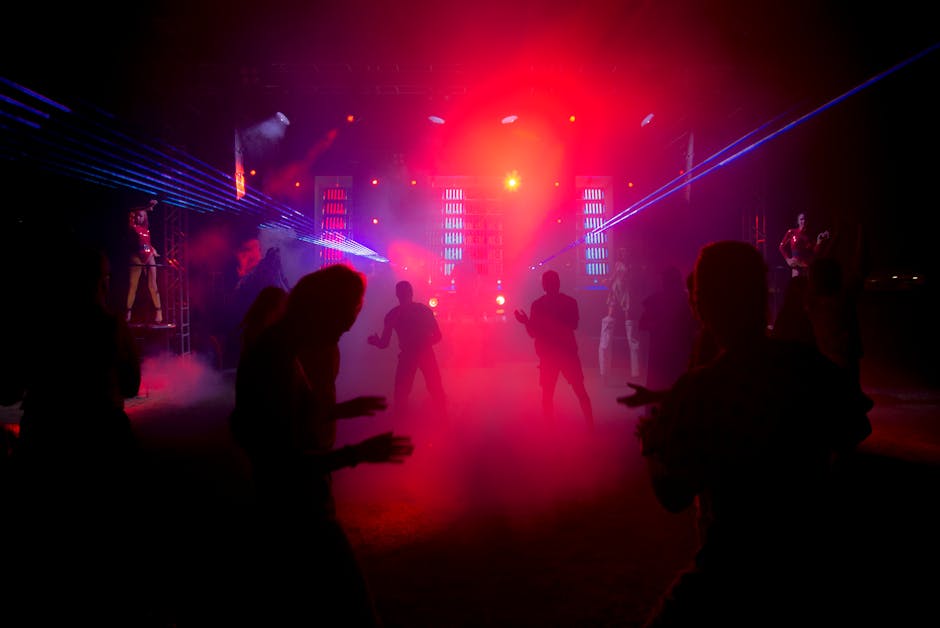
When Techno Was Revolutionary (and Illegal)
Rave culture didn’t spring from nowhere; it broke out under pressure. In Manchester in —the Summer of Love, as local promoters called it—you’d find sound systems run from car batteries, flyers traded by hand in alleyways. Fast-forward to today and venues like Berghain have full-time staff monitoring decibel levels and booking international acts months in advance. What once took DIY grit now runs on event management software like Skiddle (widely used across the UK) or Germany’s Resident Advisor backend for ticketing.
The Anatomy of a Modern Rave Track
Producers in cities like Amsterdam or Melbourne rarely use actual hardware drum machines anymore; Ableton Live dominates studio workflows. A Dutch friend at Rotterdam-based label Clone Records showed me his setup last year: two laptops, MIDI controllers, an endless library of sample packs swapped on Discord channels. He says that roughly % of tracks they release today never see analog tape—everything from the kick drum to acid squelches is digital, tweaked obsessively before any live show.
And then there’s mastering. A mastering engineer I met in Warsaw describes his job as “making sure nothing gets lost when played through Funktion-One stacks at 120dB.” He recently remastered a classic gabber anthem using Izotope Ozone plugins instead of racks of analog compressors—a move he estimates saves nearly two hours per track compared to ‘90s methods.
Licensing Headaches: Underground Meets Bureaucracy
Legal grey zones haven’t disappeared; they’ve just changed flavor. Take Spain: Barcelona-based collective Mainline throws semi-secret parties advertised via Telegram groups (with up to 10k subscribers). But organizers now spend half their prep time on performance rights paperwork with SGAE, Spain’s notoriously strict collecting society. If caught without proper licensing—even for tracks only distributed on Bandcamp—they risk four-figure fines per event.
There’s tension here: ravers crave the forbidden thrill, but crews can’t afford old-school lawlessness. As one promoter told me after negotiating with city officials for weeks: “We’re rebels with spreadsheets now.”
Streaming vs Sweat: Where Tracks Live Now
Spotify playlists labeled “Techno Bunker” or “Berlin Warehouse Anthems” rack up millions of streams monthly—yet few artists see club-level income from digital plays alone. In London’s Hackney Wick scene, several independent labels have shifted focus away from releasing full albums toward quick-fire EPs designed for both physical vinyl runs (– copies pressed by plants like MPO France) and simultaneous streaming drops.
Local record stores such as Phonica report that limited-edition colored vinyl tied to rave events regularly sell out within days; meanwhile, some producers make more selling Instagram-branded sample packs than through streaming royalties.
Case Study: An Australian Workflow Crash-Tested by Curfews
Sydney’s rave resurgence is shaped as much by policy as by passion. After the lockout laws tightened nightlife access in –, crews pivoted underground—not just physically but digitally too. One Sydney-based outfit I visited manages everything through Notion boards shared among six team members (event logistics), Serato crates synced via Dropbox (DJ set sharing), and custom WhatsApp bots for last-minute guestlist updates.
They estimate about half their crowd finds events through private Signal invites rather than public posts—a data point that echoes similar practices among collectives in Lisbon and Vilnius since COVID- lockdowns ended.
Unexpected Challenges: AI-Generated Rave?
Recently I heard a demo track produced entirely using AI tools—Amper Music plus some TTS vocal snippets—and while it sounded plausible enough for background noise at a small house party, veteran DJs were unimpressed (“It has no soul,” one grumbled during listening tests at Tresor). Still, some labels are quietly experimenting with generative plugins to create stems faster; one Berlin producer claims he drafts rough ideas twice as quickly using tools like LANDR Samples + Magenta Studio inside Ableton—but every final mix still goes through human ears before hitting SoundCloud or Beatport.
The Human Element Isn’t Dead Yet
Despite encroaching algorithms and licensing forms longer than most manifestos, real-world raves still hinge on moments you can’t automate—a sweaty high-five at sunrise in Kyiv or an impromptu set swap when USB sticks fail mid-show in Prague clubs. Those are details streaming charts or AI won’t capture soon.
Backstage after that Berlin warehouse night I mentioned earlier? The organizer wiped down gear himself before anyone left—old habits die hard even as workflows digitize every step except the feeling itself.