
Inside techno rave radio
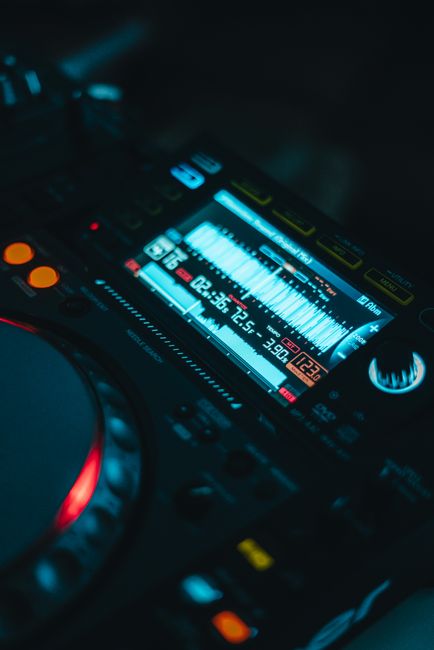
It’s almost comical how people outside the scene imagine radio in : a lone DJ spinning vinyl, beams of colored light, thumping beats. But techno rave radio—at least in its modern, unvarnished European forms—is less about nostalgia and more about friction, digital improvisation, and territory.
Pirate Frequencies Never Died (They Just Moved to Berlin)
Here’s a contradiction for you: as FM licenses vanish across Western Europe, underground techno radio is actually flourishing. Just not where regulators look. In Berlin—a city that has become shorthand for post-industrial dance culture since the late ’90s—DIY broadcasters mix Ableton Live with Raspberry Pis to beam out sets over short-range FM transmitters. The group behind BLN.FM, active since , keeps popping up at warehouse parties despite Germany’s famously strict media laws.
When I visited their Kreuzberg studio last year, the workflow was both chaotic and precise: two battered laptops streaming live via Icecast; DJs swapping USB sticks mid-set; a WhatsApp thread coordinating remote hosts from Leipzig and Paris. They claimed their listenership peaks on Friday nights at roughly 2, simultaneous web listeners—a tiny number by commercial metrics but enough to fill three Berghains.
Not All Streams Are Created Equal
Spotify’s algorithm would never dare touch some of these tracks—obscure Belgian acid pressings from or hour-long modular synth improvisations. Yet techno rave radio curates precisely this kind of audio archaeology for an audience that expects zero compromise. Stations like Noods Radio in Bristol (established ) have built cult followings by refusing playlist standardization altogether.
In practical terms? A weekly show like “Circuitbreaker,” airing every Sunday night on Noods’ online platform, can involve:
- Hosts prerecording live analog mixes in their kitchen;
- Editing files using Audacity (the open-source favorite);
- Uploading via FTP directly into Noods’ custom scheduler;
- Intermittent dropouts when someone’s home WiFi gets overloaded by Netflix.
No one minds the glitches—they’re badges of authenticity.
The Numbers Game Is Broken On Purpose
Try asking any station manager about their growth rate or market share and you’ll get a blank stare or a smirk. There are no KPIs here worth tracking—not when most legal frameworks still treat them as pirates or hobbyists. Still, there are patterns: across Poland’s underground scene in Wrocław and Poznań, small collectives have been known to reach up to , unique monthly listeners during peak festival seasons (especially around Unsound Festival time each October). For comparison: mainstream Polish station RMF FM averages millions daily—but none of those listeners tune in for three-hour minimal sets broadcast from repurposed tram depots.
Case Study: Australia’s Digital Outpost
Flip continents for a moment: In Melbourne, Area3000 started as an Instagram page in before evolving into a full-fledged online techno stream. Their workflow now mirrors what I’ve seen in European cities—a patchwork of open-source tools (Mixxx for mixing; OBS Studio for visual overlays) and volunteer scheduling managed through Slack. By early they reported over resident DJs rotating weekly slots; peak listener counts hover between –1, per show depending on headline guests drawn from Sydney and Tokyo.
Interestingly—and this is something rarely talked about—the bulk of their audience listens after midnight local time but logs in from Japan or Germany thanks to social reposts on Telegram groups dedicated to niche genres like Schranz or Industrial Techno.
Hardware Is King (and Sometimes Held Together With Tape)
In these setups there’s little room—or budget—for industry-grade equipment. One London-based collective I shadowed last summer ran their entire operation off secondhand Pioneer CDJs bought off Gumtree and a four-channel Behringer mixer held together with gaffer tape. Microphones were borrowed from nearby podcast studios when available; broadcasts often took place under the threat of noise complaints from neighbors who’d rather not hear pounding kicks at four AM on a Tuesday.
But as one producer dryly put it while tuning his modular rig during an interview: “If it doesn’t feel like it could break down any second, it isn’t really rave radio.”
Algorithms Don’t Belong Here (Yet)
The pressure to automate playlists hasn’t hit these corners yet—not because they lack technical know-how but because automation is antithetical to the culture. In real-world practice at stations like The Lot Radio in Brooklyn—which operates out of a shipping container near Williamsburg—every set is mixed live with no safety net. Their median session length hovers around two hours; no two shows sound alike even if hosted by the same resident DJ week-to-week.
It isn’t just romance—it’s about maintaining trust with audiences who expect unpredictability and detest “radio-formatted” monotony creeping into the signal chain.
Unlicensed Doesn’t Mean Unheard: A Look At Reach Beyond Borders
One overlooked dynamic: international cross-pollination made possible by Telegram channels sharing stream links within seconds of going live. During peak times—such as Amsterdam Dance Event week—listeners log onto pirate streams broadcast illegally out of basements in Rotterdam but relayed through encrypted Discord servers accessible worldwide.
Estimates provided by Dutch collective Red Light Radio suggest that during ADE week alone (October), global concurrent listeners spike fivefold compared to normal weekends—even though official city permits are nowhere in sight.
Final Frequency Check: Why It Endures
it’s easy to dismiss these operations as footnotes next to corporate giants like BBC Radio 1 or Apple Music’s Beats 1 channel (which launched globally back in June ). But those platforms can never replicate the fragile immediacy—and occasional chaos—that defines grassroots techno rave radio today:
off-the-cuff sets that run long because nobody cares if schedules slip,
drops into static when someone trips over an Ethernet cable,
an unfiltered corner of music culture stubbornly refusing polish or predictability.
That’s what keeps people tuning back—to see what might break next.