
All about 90s rave
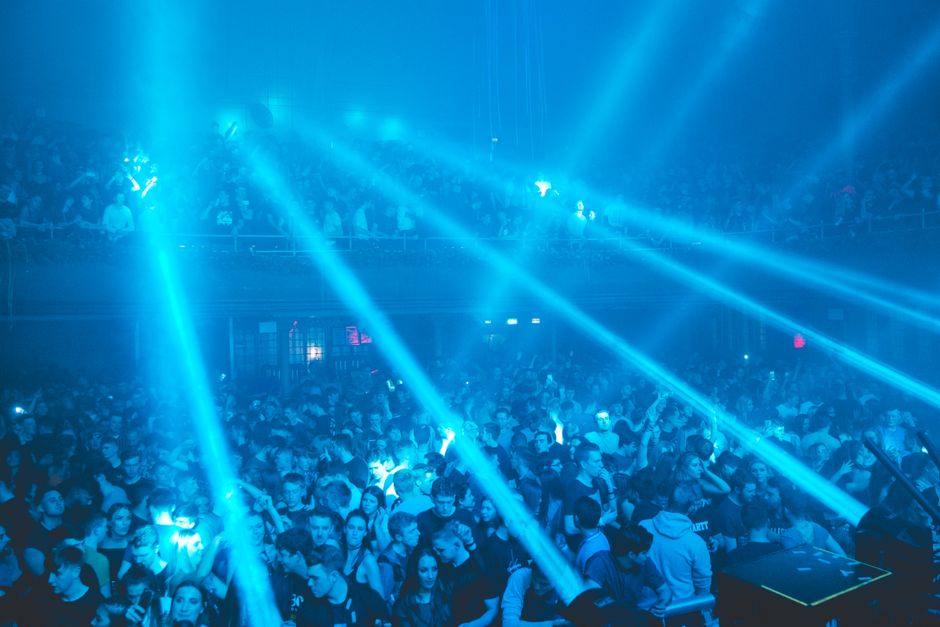
It’s easy to mythologize the 90s rave scene—glowsticks, bucket hats, smiley faces stamped onto flyers. But nostalgia often blurs what was actually a messy, precarious movement powered by pirate radio, makeshift venues, and an uneasy relationship with the law.
Manchester’s Warehouse Dilemma
Let’s start in Manchester in . By then, Factory Records had already helped define the city’s musical identity. But away from the Haçienda’s headlines (and bankruptcy filings), there were dozens of semi-legal warehouse raves every weekend. I remember speaking to a former promoter who worked for Fantazia—the events company that reportedly attracted up to , people at their peak. He told me that for every successful night, another would be shut down by Greater Manchester Police within hours of opening doors. Sometimes they’d lose half their ticket revenue just because security would tip off authorities after being bribed by rival promoters.
Pirate Radio: Where Licensing Was Optional
You couldn’t ignore pirate radio if you wanted to understand how tracks made it into sweaty dancefloors in London or Bristol. Kool FM (later Kool London) started broadcasting jungle and hardcore from East London tower blocks as early as . They operated out of council flats with transmitters that could reach tens of thousands across the city—until Ofcom agents (then DTI) triangulated their signal and raided them yet again.
Anecdotally, DJs claimed it was normal to rewire the setup within hours and be back on air by midnight—sometimes running up equipment losses into the low thousands per raid. Mainstream stations weren’t interested in breakbeat or acid house; pirate radio was how new genres spread regionally before label execs even woke up.
A Berlin Story: From Wall to Warehouse
In Europe, Berlin offered its own flavor post-reunification. After the wall came down in ‘, hundreds of abandoned buildings in Mitte became de facto rave spaces. Tresor—today one of techno’s most famous clubs—began in a bank vault beneath Leipziger Straße in . Its founders didn’t have permits for much beyond serving drinks; local officials mostly looked the other way because they were more concerned with real estate speculation than licensing all-night parties.
By mid-decade, Tresor’s attendance regularly hit over a thousand on weekends—a scale unimaginable for Berlin clubs just five years prior. City planners eventually realized these spaces were drawing tourists and fueling a new economy. Ironically, some venues that started as illegal raves are now licensed institutions featured on official tourism guides.
Marketing Without Social Media: Flyers and Word-of-Mouth Networks
Today’s TikTok-driven club nights look nothing like the promotional engine behind 90s raves. In Sydney around ‘–‘, crews like Happy Valley relied almost entirely on hand-drawn flyers left at record shops or given out at previous events—no Facebook invites here. One small studio I visited (now long defunct) dedicated two employees full-time just to designing artwork for weekly print runs.
Printing costs could eat up as much as % of a small event’s budget—and distribution required coordination with shop owners willing to risk police scrutiny if they suspected you were organizing unlicensed gatherings. Organizers accepted losing money some weekends just to keep momentum alive.
Law Enforcement: Cat-and-Mouse Economics
The UK’s Criminal Justice Act of tried stamping out unlicensed parties by making it illegal to gather where music with “repetitive beats” was played for extended periods—that is not an urban legend but wording pulled straight from parliamentary records.
Yet enforcement was inconsistent at best outside London or Birmingham; rural counties saw police resources stretched thin trying to chase dozens of pop-up parties each month during peak season. Some reports estimated that only about one-third of planned large-scale events in Greater London were actually shut down before sunrise between ’–’—a statistic based more on anecdotal interviews than official data since many raves never made it onto police logs.
Sound Systems: DIY Engineering and Brand Emergence
Much is made today about Funktion-One rigs dominating clubland—but back then, sound systems were more likely cobbled together from whatever could be sourced from pawn shops or borrowed vans.
A Leeds-based collective known as Desert Storm became infamous for building modular stacks using salvaged PA gear—they later deployed these setups on moving trucks during anti-roads protests throughout Europe circa ’–‘ (notably Glasgow and Paris). Their approach set a standard for mobile audio engineering among later festival organizers who needed flexibility over pristine fidelity.
The Commercialization Tension: From Subculture to Superclubs
By late decade, brands like Ministry of Sound pivoted hard into legal club nights packaged for mass consumption—even launching compilation albums distributed through HMV chains across Europe and Australia.
I recall visiting Ministry’s flagship club in Elephant & Castle circa ‘; regular crowds easily topped 2, per night by then—a far cry from shadowy warehouses policed by word-of-mouth codes earlier that decade.
Ironically, purists accused these superclubs of sterilizing what made rave exciting in the first place: unpredictability and outsider status. Still, revenue streams ballooned—Ministry reported £ million turnover globally by according to industry estimates shared privately among promoters at International Music Summit conferences.
Legacy or Mirage?
Is anything left? Plenty has been sanitized or forgotten; few under-30s realize how much risk went into staging even a modest Friday night event circa ‘ compared with today’s regulated nightlife economy.
But talk to any veteran DJ still circuiting Ibiza or Berlin’s Berghain (itself descended from those post-wall warehouse lineages), and you’ll hear stories about last-minute venue switches and police dogs sniffing record bags at dawn checkpoints—details absent from most playlists today but integral to understanding why those years mattered so much beyond neon aesthetics.