
Complete guide to rave music research-based
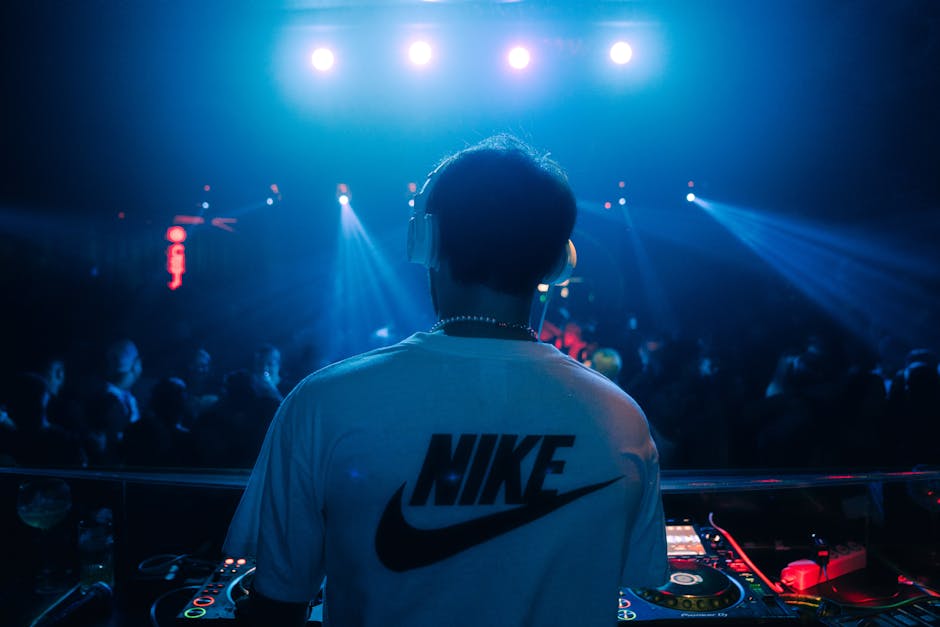
The scene rarely stands still. In , you could walk into a former textile warehouse in Manchester’s Northern Quarter and hear a set that blends Belgian new beat with breakcore—yet somehow, it all feels like part of the same story that started in Detroit basements more than three decades ago. If there’s one lesson from researching rave music, it’s that genre lines are as blurry as last night’s sunrise after a marathon party.
The DNA of Rave: More than Just BPMs
People often imagine rave music as a monolithic wall of pounding + BPM bass, but interviews with producers at Berlin-based Raster (founded in by Olaf Bender and Carsten Nicolai) reveal a different picture. Their workflow regularly involves blending field recordings, minimalist techno influences, and experimental sound design—none of which fit neatly into textbook definitions. Raster’s artists will often spend weeks tweaking granular synth textures or re-amping drum machines through battered tube amps to capture the unpredictable warmth heard on dancefloors from Leipzig to Lisbon.
In practice, labels like Warp (UK) have moved between acid house, IDM, bleep techno, and even ambient releases since their founding in Sheffield in . Warp’s early catalog featured LFO’s “LFO” single—a defining moment when warehouse raves across England started craving those sub-bass oscillations. By , the label’s releases were influencing club nights not just in London but as far afield as Melbourne’s nascent underground scene.
Early Patterns: Chicago to Europe – Not Just History Textbook Stuff
Consider the real logistics of Chicago house records landing on UK soil around —DJs like Paul Oakenfold famously imported US white-label pressings for London clubs such as Heaven. This wasn’t just about musical taste: UK record stores saw sales spikes up to % during acid house summers compared to pre-rave years. These imports helped spark an entire ecosystem where local labels like Network Records (Birmingham) began pressing their own rave anthems by late ‘.
In European cities like Rotterdam and Frankfurt during the early ‘90s, you’d find small studios using early Akai samplers and Atari ST computers—hardware now considered almost mythical among gearheads—pushing out tracks overnight for pirate radio play. Germany’s Harthouse label (founded by Sven Väth in Frankfurt, ) churned out trance classics that eventually made their way into Ibiza superclubs and back again via cassette mixtapes traded at Berlin flea markets.
Sampling Workflow: A Case from Poland’s NeoN Sound Studio
Jump ahead two decades. In Warsaw circa –, NeoN Sound Studio established itself as a hub for Eastern European electronic production. Their daily routine involved sourcing samples from YouTube rips—rare Polish jazz LPs digitized from vinyl—and layering them atop modular synth sequences recorded directly into Ableton Live setups. According to engineer Marta Górska, this hybrid workflow allowed for quick experimentation:
“We might have four people working across three rooms,” she explained during a panel at Unsound Festival Kraków in . “One group manipulates found sounds on hardware samplers; another edits breaks; someone else is automating FX chains inside Ableton.”
The result? Tracks moving seamlessly from internet meme culture to festival mainstages without ever passing through traditional label gatekeepers—a pattern increasingly common across independent studios in Central Europe by the late 2010s.
Scene-Specific Tech Adoption: Australia vs Germany
Australian collectives such as Sydney’s Motorik! Records leaned heavily on analog gear revivalism throughout the mid-2010s—Roland TR- clones were regular features at their warehouse events—and yet they also adopted cloud-based collaboration tools long before many German counterparts did.
Contrast this with Berlin-based DJs who routinely favored classic hardware but would transfer mixes via encrypted Telegram channels or burn physical CD-R promos for trusted selectors only—a security-conscious habit shaped by city-specific concerns about unreleased tracks leaking online before club debuts. By late , nearly half of Berlin’s mid-sized electronic labels surveyed by Resident Advisor reported using VPN-protected servers for sharing unreleased material among artists.
Streaming Platforms Reshape Accessibility – But Not Without Friction
Spotify and Apple Music both feature sprawling catalogs under broad “electronic” umbrellas—but insiders know Beatport remains key for serious selectors hunting new releases and obscure remixes. Beatport reported over million track uploads globally by early ; electronic genres accounted for roughly one-third of these submissions according to public statements by their executive team.
However, some veteran producers complain that algorithmic playlists favor crowd-pleasing EDM hybrids rather than riskier rave-adjacent styles like jungle or gabber. Meanwhile—in smaller scenes such as Tallinn or Bratislava—it’s still common for vinyl-only imprints like Estonian label Serious Serious Records to sell out limited runs within hours after Bandcamp drops, bypassing mainstream streaming entirely.
Algorithms Meet Subcultures: AI Track Analysis Isn’t Everything Yet
Several startups are betting big on AI-powered tools for genre tagging or mood analysis—Soundation (Sweden) offers browser-based DAW features aimed at beginner producers experimenting with rave templates—but there are limits visible on real-world dancefloors.
In practice: professional DJs at Amsterdam Dance Event (ADE) consistently report ignoring auto-generated tags when sifting through new promo pools each autumn season; instead, they rely on private Discord groups or Telegram chats where human curation trumps algorithmic sorting every time.
Underground Networks Thrive Despite Commercial Pressures – The Parisian Blueprint
Paris-based Possession collective represents an instructive case study here: founded mid-2010s amidst tightening legal restrictions around unauthorized parties (“free parties”), they engineered pop-up raves using disposable prepaid SIM cards and burner phones to coordinate secret venues via SMS lists shared only with trusted regulars.
Their booking policy prioritizes emerging live acts alongside established headliners—a deliberate move countering commercial festival lineups dominated by legacy names. Over six years Possession has expanded into branded apparel lines and even launched its own digital distribution arm—all while maintaining core values rooted in DIY ethos and community-led event organizing.