
old skool techno full guide
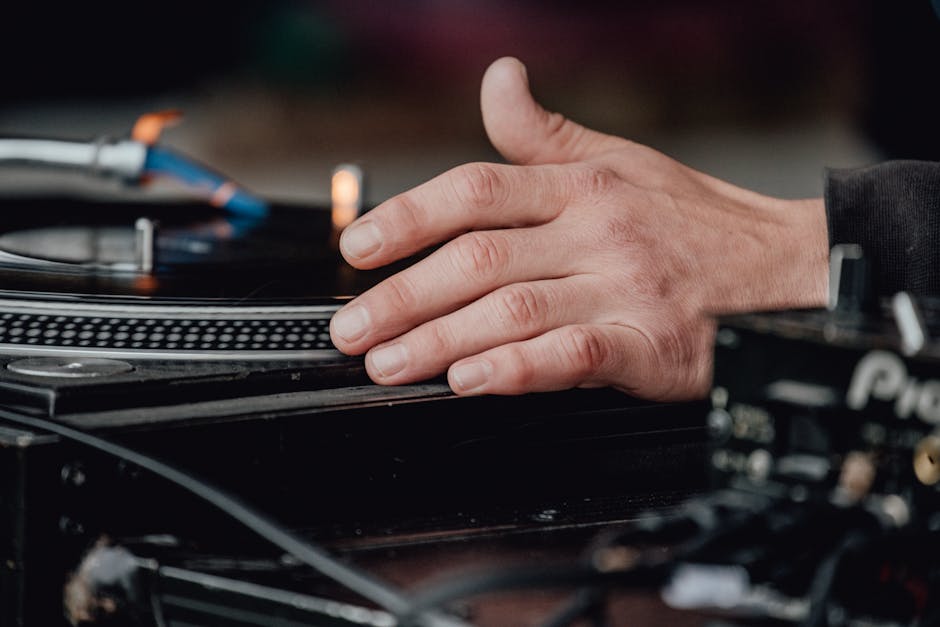
You Can’t Stream the Feeling: Why Old Skool Techno Isn’t Just a Sound
Here’s what people outside the scene get wrong. Old skool techno isn’t just Roland drum machines and acid squelches—it’s context, community, defiance. In , Berlin’s Tresor club opened in a former bank vault; by the end of its first year, it had established itself as a sanctuary for sonic experimentation (and legal grey zones). Even now, veterans like Dimitri Hegemann—the man behind Tresor—insist that the early ‘90s spirit can’t be revived through festivals or branding. You needed to be there: 4am, lights flickering, your heart syncopated with the thump of a TR-.
The Hardware Gospel: Machines Behind the Movement
No guide is complete without gear talk. Yes, you’ve heard about Roland’s holy trinity—the TR-, TR-, TB-. But in actual production studios circa (think Utrecht’s Stealth Records or Manchester’s Eastern Bloc shop), workflow often involved battered Akai samplers and Atari ST computers running primitive sequencer software like Cubase v1.0.
In practice? A Polish collective I met in Łódź still runs weekly sessions on original Ensoniq Mirage samplers—old floppy disks and all—refusing anything post- for their mainline tracks. Their results are raw but alive; nostalgia isn’t just an aesthetic here—it dictates process.
Real-Life Studio Case: From Rotterdam with Love
Anecdote time: In , I visited Clone Records’ HQ in Rotterdam—a label whose back catalogue reads like an encyclopedia of Dutch rave culture. Owner Serge Verschuur walked me through their current digitization workflow:
- Original DAT tapes (some dating back to )
- Restoration via vintage Tascam decks (common failure rate: nearly % per batch)
- Multitrack separation using iZotope RX Advanced (for cleaning up analog hiss without losing kick weight)
- Purists cling to outboard gear; repair bills are high but so is cred among peers.
- Hybrid artists integrate Ableton Live with modular hardware setups—sequencing external devices via MIDI while layering digital effects chains for modern twist.
This hybrid approach isn’t just nostalgia-fueled pedantry; it’s necessary. Several vinyl-only releases have been successfully reissued after months of painstaking tape repair—a process that rarely gets mentioned when new fans stream those tracks on Bandcamp today.
Not Just Detroit: The Forgotten Scenes That Built It All
Let’s break another myth: old skool techno didn’t only happen in Detroit or Berlin. By , Sydney’s underground parties were drawing over 2, dancers into venues like Homebush Abattoirs—spaces repurposed by renegade crews such as Happy Valley Collective. Local record shops like Central Station imported limited-run releases from Europe at markups exceeding %. Today in Melbourne, veteran DJ Kate Kadi still hosts all-vinyl nights where half her crate consists of obscure Belgian labels (R&S Records being a staple).
Meanwhile in Estonia—in Tallinn’s Telliskivi district—you’ll find studios blending Soviet-era synths with classic German drum machines for hybrid sets streamed live to niche Discord servers. A recent event saw more than digital viewers tuning in for what was essentially an homage to late ‘80s Frankfurt sound.
Anatomy of a Classic Setlist (And Why It Matters)
Ask any seasoned DJ who played raves between and : programming a set wasn’t about matching BPMs alone—it was story-driven selection shaped by crowd response and machine limitations. Manchester-based producer Mark Archer (of Altern8) once told me he’d travel with suitcases full of white-label promos because “you couldn’t risk repeats.”
Today? Most UK-based promoters still insist that headline slots at events like Bang Face Weekender include at least one hour dedicated exclusively to pre-millennium hardware sets—often tracked against audience age demographics showing roughly % under age .
Collectors vs Creators: Vinyl FOMO Is Real Business Now
Discogs data shows sales volume for original pressings from early R&S or Underground Resistance records has doubled since mid-2010s—driven partly by Gen Z buyers keen on authenticity and scarcity over streaming numbers.
But old skool techno isn’t just about collecting relics:
In Vienna’s Grelle Forelle club nights, modern producers regularly test unreleased tracks alongside classics—a process that reveals how well new productions hold up next to raw cuts from Joey Beltram or Jeff Mills.
Half the time? The crowd can tell instantly if something lacks bite or warmth found only on analog masters.
One Workflow Doesn’t Fit All: Recreating the Old Skool Vibe Digitally
In real-world production pipelines observed across Germany and Poland lately, two camps emerge:
A Kraków duo recently described spending six months sourcing SSM2044 filter chips just to mimic original Sequential Circuits Prophet tones—they claim this added “the grit” missing from VST emulations during live streams hosted on Twitch.
Expectations aren’t static either; festival crowds across Europe now expect some visible hardware action during performances—even if half of it is plugged into nothing but power strips for showmanship!
Lessons from Commercial Crossovers—and Their Limits
Remember when Prodigy broke into UK charts in ’? Or Sven Väth signed his first major label deal?
While these moments brought wider attention—and licensing deals with brands like Sony—the core scene remained wary of commercial dilution. Even today at Amsterdam Dance Event (ADE), panelists openly debate if placing archival footage of illegal raves into Netflix documentaries really captures anything but surface aesthetics.
Meanwhile, warehouse-to-stream transitions have forced many legacy acts into remastering wars—sometimes flattening dynamic range simply so classic tracks won’t sound weak next to algorithmic playlists on Apple Music.
Preservation Isn’t Passive: When Archives Become Activism
It would be easy to imagine old skool techno becoming museum fodder—but real preservation takes hustle. At The British Library Sound Archive in London—which began serious electronic music collection efforts around —the focus shifted recently toward capturing not just finished recordings but entire event flyers, zines, even ticket stubs sourced directly from scene veterans via grassroots outreach programs led by staffers who double as DJs themselves.
Their findings suggest archival demand rose nearly fourfold between –—a period coinciding with both renewed vinyl pressing plants opening across Europe and global supply chain hiccups making rare pressings even rarer commodities.
Final Notes from the Floor—and Beyond
lIf you’re looking for neat closure or a textbook step-by-step revival recipe… sorry. This scene resists tidy packaging as stubbornly as it resisted authority three decades ago! Yet every weekend—from Parisian squat parties powered by car batteries to Japanese collectives remixing UR b-sides live inside Kyoto tea houses—the DNA persists:
it’s always been about more than basslines or BPMs; it’s attitude distilled onto wax (or zeros and ones). And whether you hunt down pressed-to-order reissues online or trade battered cassettes outside Helsinki dive bars,
you’ll know you’ve found something real… because old skool techno never apologizes for refusing easy answers.