
The essentials of 90s old skool
It’s 3 a.m. in a sweaty backroom of Manchester’s Hacienda, circa , and the DJ is flipping over a battered white-label vinyl. The bass thuds through the concrete floor, and nobody really cares that half the sound system is jury-rigged with duct tape. This was the beating heart of what we now call “90s old skool”—a phrase that gets thrown around on Spotify playlists but rarely lands with its full gravity.
Somewhere between warehouse raves in London’s East End and pirate radio crackle in Birmingham high-rises, the movement solidified into something both hyper-local and globally contagious. Not so much a genre as an attitude—DIY, raw, fast, fun. Yet when record labels like XL Recordings or Ministry of Sound caught scent of it, the scene exploded beyond insular circles.
The anatomy of a classic set
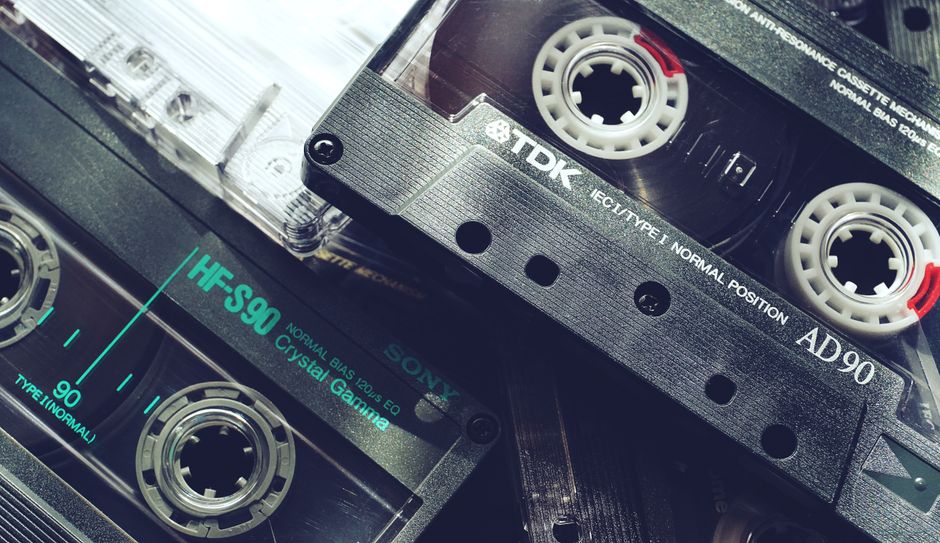
A typical old skool night wasn’t just about dropping Prodigy’s “Out of Space” or Altern-8’s “Activ-8.” In UK clubs like Cream (Liverpool), DJs would blend breakbeats with Chicago house imports, slip in hardcore stabs from Belgium (think R&S Records), then cut to homegrown jungle—sometimes all within twenty minutes. In real sets recorded on DAT tapes (yes, those tiny cartridges), you can hear how MCs like MC GQ or MC Det kept ravers locked even as tempos jumped from to BPM.
Hardware over software
Forget Ableton Live or Serato: production meant Akai S950 samplers and Roland TR-909s whirring late at night in bedrooms across Leeds and Rotterdam. In Polish basement studios today—such as Wroclaw’s ever-underground Czarny Lotos—producers still hunt for Yamaha DX21 synths to chase that elusive warmth only seen on mid-90s tracks by Goldie or LTJ Bukem.
Recreating these sounds is more than nostalgia; it’s workflow archaeology. A Berlin-based mastering engineer I met last year described how tracking down an original Novation Bass Station for a reissue took weeks—and cost triple what it did back in ‘.
Mixing on pirate airwaves
Before streaming numbers ruled, reach was measured by FM static. Stations like London’s Kool FM or Pulse FM broadcasted live mixes recorded straight from Technics SL- turntables balanced on kitchen counters. It wasn’t unusual for crews to swap transmitters every few hours to avoid Ofcom raids—a practice still whispered about among older heads at festivals like Boomtown.
In Sydney during , collectives like Sub Bass Snarl ran weekly illegal broadcasts out of abandoned warehouses near Redfern station. Their playlists? Almost entirely imported UK -inches shipped over by mail order giants such as Black Market Records—a distribution lifeline before Discogs or Bandcamp existed.
Labels who shaped the scene
XL Recordings didn’t just sign The Prodigy—they pressed their first singles using whatever pressing plant had available hours after midnight. Meanwhile, Moving Shadow out of Stevenage built its roster (Omni Trio, Foul Play) by trading cassette demos at Camden market stalls; there are stories of A&R execs sleeping under tables during weeklong release sprints.
The scale was scrappy but potent: between –, dozens of micro-labels pushed out hundreds of small-run releases monthly—each one a lottery ticket for club anthems destined for permanent rotation (or obscurity).
Fashion cues and visual shorthand
What you wore mattered almost as much as what you played: Adidas Gazelles scuffed up from all-nighters; bucket hats pulled low; neon bomber jackets reflecting strobes at Bristol nights like Lakota’s legendary Energy sessions. Flyers were Xeroxed en masse at local copy shops—their grainy clip art now iconic enough to be sold as prints in Shoreditch pop-ups two decades later.
Even today, Australian boutique label Butter Sessions packs every vinyl order with sticker sheets mimicking those rave flyers—a tribute to the physical culture lost in digital-only promo cycles.
A snapshot from Poland: sampling old skool DNA
Step inside Warsaw’s Def Melodies Studio this spring and you’ll see producer Kasia Urbanska painstakingly digitizing her uncle’s stash of early ‘90s Amiga tracker files onto modern DAWs. She admits most clients want cleaner drum sounds—but insists there’s still demand for that bitcrushed crunch when working with indie game developers aiming for authentic period soundtracks (especially on projects targeting retro-loving Gen X players). Roughly % of their recent work comes from brief-driven requests for “true vintage” samples instead of polished VST emulations.
Legacy: not dead yet?
Sure—the phrase “old skool” risks becoming costume-party cliché whenever corporate brands slap it onto festival lineups or energy drink cans. But speak to anyone running hardware nights in Berlin basements or hunting breaks at Melbourne record fairs: they’re not chasing nostalgia—they’re preserving workflow DNA that defined an era when making music felt more urgent and less algorithmic.
In other words: don’t be fooled by playlist names alone. The essentials are tactile—the smell of vinyl sleeves, hissy cassettes dubbed three times over—and found where people sweat over machines rather than screens.