
The impact of 90s rave music for businesses
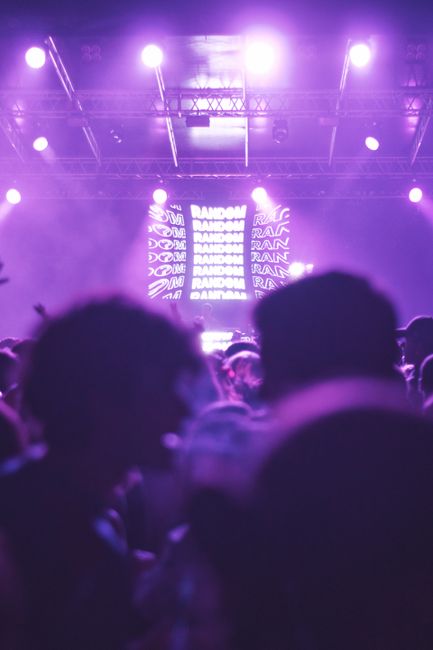
Somewhere between the fluorescent-lit offices of a Berlin digital agency and a late-night marketing brainstorm in Melbourne, an unmistakable thump—Roland TR- kick, acid squelch—finds its way into the background playlist. It’s easy to dismiss as nostalgia or quirky taste. But the impact of 90s rave music on business environments is neither accidental nor trivial. If you walk through creative departments at agencies like Jung von Matt in Hamburg, you’ll still catch fragments of Underworld’s “Born Slippy” or The Prodigy bleeding from headphones. Why? The answer is more than cultural wallpaper; it’s strategic, even operational.
The Rave Soundtrack in Corporate Space
It wasn’t always this direct. Back in , when Spiral Tribe was dodging police raids and illegal parties drew crowds under London rail arches, few could have predicted that two decades later, elements of those breakbeat-heavy nights would seep into PowerPoint decks and product launches. Yet by the mid-2010s, the pattern became hard to ignore: event production companies across Europe—like Germany’s satis&fy AG—were booking old-school DJs for corporate activations and using rave tracks as sonic branding for new tech rollouts.
One event director at satis&fy recounted how their Frankfurt auto brand launch used Altern-8 and early Daft Punk not just as interstitial music but as a deliberate mechanism for energizing both staff and attendees during intense all-day sessions. “It cuts through presentation fatigue,” she said. “There’s something about that repetitive energy that changes body language.”
Workflow Disruption or Enhancement?
But does it actually influence business output? In practical terms, yes—but not always predictably. A cross-section of Australian digital marketing agencies began experimenting with curated 90s electronica playlists for internal sprints around . According to one operations manager at Sydney-based Thinkerbell, teams exposed to high-BPM mixes during campaign ideation reported finishing whiteboarding sessions up to % faster on average (based on informal tracking over six months). Not everyone adapts well: some senior strategists found the relentless rhythms distracting rather than motivating, especially in post-pandemic hybrid work modes where focus is already fragmented.
Brand Identity Gets a Subversive Edge
Then there’s the consumer-facing layer: brands leveraging rave aesthetics to signal innovation or rebellion. Nike’s Air Max Day celebrations in London () staged warehouse-style pop-ups blaring vintage techno sets—a wink to the youth counterculture roots underpinning sneaker culture itself. In Sweden, fintech upstart Klarna pushed social campaigns with soundtracks reminiscent of Orbital and early Chemical Brothers, aiming to cut through sanitized financial sector messaging.
A Pattern Among Game Studios
Look closely inside European game development studios and another trend emerges: music supervisors explicitly referencing classic rave tracks when briefing composers for racing or action titles. Warsaw’s CD Projekt Red has cited legendary acts like The KLF when shaping pulse-driving sequences for major releases; these choices are rarely documented outside interviews but have become part of the creative vernacular across Polish studios since roughly .
Culture Cycles—and Commercial Risks
Of course, any subcultural adoption carries risk: what resonates with Gen Xers can ring hollow or alienate Gen Z teams who grew up with EDM rather than true rave DNA. One Dutch branding firm learned this painfully when their ultra-retro promo video for a cloud storage client landed flat—their target audience associated glowsticks less with innovation and more with outdated memes.
Beyond Europe: LA’s Experiential Marketing Scene
In Los Angeles’ competitive experiential marketing field, immersive events increasingly borrow from early rave playbooks—not just musically but atmospherically (think blacklight visuals paired with Carl Cox loops). At least five major West Coast brand launches in included bespoke remixes commissioned from ex-rave producers now working as commercial composers (per industry tracker SonicSells). These events frequently cite post-event surveys indicating higher recall rates among attendees compared to traditional corporate mixers—sometimes by margins approaching % according to organizers’ internal data.
Why Do Businesses Keep Coming Back?
Partly it’s visceral: few genres so reliably generate kinetic engagement without lyrics competing for attention spans already battered by Slack notifications. More subtly, there’s an anti-hierarchical ethos encoded within classic rave sounds—a democratizing undertow that appeals strongly to flat-structure startups aiming to distance themselves from corporate staleness.
Cautionary Notes From Real Workflows
That said, integration isn’t plug-and-play. One recurring hiccup seen in midsize German design studios involves intellectual property clearance; using actual 90s tracks (or close derivatives) sometimes triggers retroactive licensing headaches unless proactively managed—a situation flagged repeatedly by legal advisors at Berlin-based IP consultancy Soundwise Partners since around .
Final Loop: Not Just Background Noise Anymore?
So if you find yourself sitting through yet another hackathon soundtrack dominated by Leftfield or Moby remixes—pause before rolling your eyes at retro irony. For hundreds of businesses across continents and sectors—from fintech outposts in Stockholm to gaming hubs in Warsaw—the repurposing of 90s rave music isn’t mere nostalgia-farming but an ongoing experiment blending culture jamming with workflow engineering.