
The rise of rave music
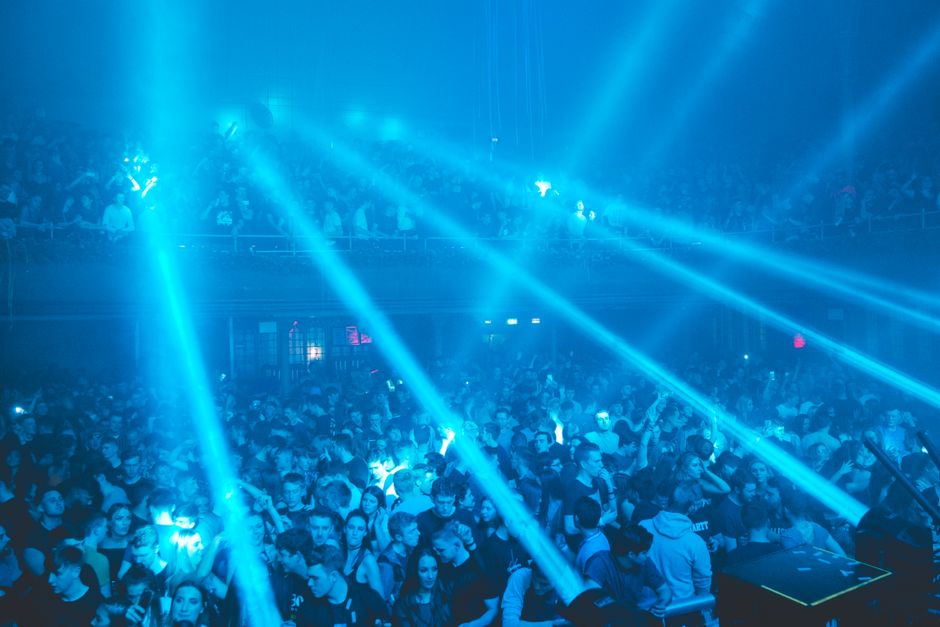
Contrary to the sanitized nostalgia that now surrounds it, rave music’s rise wasn’t inevitable. In fact, most industry insiders in late-1980s London would have bet on its swift demise—a short-lived phenomenon too risky and disruptive for mainstream adoption. Yet, if you walk through Berlin’s Friedrichshain district at dawn or check the bookings for Australia’s Subsonic Festival, it’s clear: what began as a fringe movement has become a global touchstone for youth culture and the music business alike.
From Illegality to Industry: The Early Days
It started with contradiction. By , warehouse parties in Greater Manchester—often organized by semi-anonymous crews like The Haçienda’s resident DJs—routinely drew crowds of 1, or more. Police raids were common; so were all-night dance marathons powered by Roland TR- drum machines and hastily wired sound systems. Rave music was illegal, yet highly organized. In these early years, distribution channels didn’t run through labels but via white-label vinyl pressings passed hand-to-hand at record shops like Black Market Records in Soho.
In a typical workflow described by UK promoter Tony Colman (now better known as Hospital Records’ head), new tracks would be cut on acetate Friday afternoon, tested at a party that night, then pressed in batches of two hundred for sale by Sunday morning. The speed was breathtaking—and intentional. “We wanted to stay ahead of the police and the majors,” Colman recalls.
Berlin’s Techno Renaissance: A City Rebuilt Around Beats
Post-reunification Berlin became Europe’s unlikely epicenter for techno-driven rave culture. From onwards, clubs like Tresor forged an identity from the city’s abandoned vaults and power stations. Unlike their British counterparts, German promoters negotiated with local authorities for semi-legality: think pay-at-the-door memberships rather than ticketed events.
By , Berlin’s club economy had ballooned to support over , jobs directly related to electronic music nightlife (according to estimates from Clubcommission Berlin). Venues such as Berghain and Watergate set global standards—not just sonically but architecturally—with Funktion-One sound systems and bespoke light installations becoming commonplace in production budgets.
A Digital Pivot: Pirate Radio Goes Online
London’s pirate radio scene provided another infrastructure entirely. Stations like Kool FM operated from east London flats with rooftop transmitters in the early ‘90s; sets were often pre-recorded onto cassette tapes circulated among MCs before broadcast. By the mid-2010s, these workflows shifted online. Platforms such as NTS Radio (launched ) now stream live DJ sets worldwide with real-time chat rooms echoing classic flyer-fueled word-of-mouth networks.
An example: NTS reports over four million monthly listeners globally—a scale unimaginable to original pirate crews who struggled just to reach across a borough line without interference from regulators or rival gangs.
Australia Adopts—and Adapts—the Template
Meanwhile in Melbourne and Sydney, local event producers borrowed British elements but added their own spin—emphasizing outdoor bush doofs and sunrise sets far beyond city limits. Hardware store marquees replaced warehouses; organizers mapped secret locations via SMS trees until signal dropout forced last-minute detours into eucalyptus groves outside Byron Bay.
Australian festivals like Rainbow Serpent (founded ) now attract upwards of , attendees annually; production teams use custom lighting rigs designed by companies such as Resolution X (Melbourne-based) who report that around % of their annual work hours are now devoted to electronic festival clients—a figure almost unheard-of prior to .
Commercialization & Authenticity: Strange Bedfellows?
As streaming platforms like Spotify introduced curated EDM playlists in the late-2010s—increasing listens for artists such as Calvin Harris or Peggy Gou by tens of millions per month—the old guard worried about dilution. What happens when every Ibiza superclub is owned by an international hospitality group? When Berlin’s once-notorious door policies become just another tourist filter?
Yet here lies another contradiction: some of today’s most influential acts still operate out of tiny studios or DIY collectives. Take Lobster Theremin—a London-based label founded in —which presses limited-run vinyl while pushing unknown producers onto global festival rosters within months via Bandcamp downloads and Telegram groups frequented by bookers from Kyiv to São Paulo.
Workflow Realities: From Physical Flyers to Algorithmic Promotion
Ask any promoter who ran raves circa- about logistics and they’ll recall hours spent photocopying flyers at midnight Kinko’s before taping them up outside record stores—or handing stacks to kids hanging around Dalston tube stations after school.
Now? Promotion relies on algorithmic targeting through Instagram stories or WhatsApp blasts seeded weeks before tickets go public—often driving pre-sale sellouts for boutique events where capacity is capped at just people (a pattern seen repeatedly with Amsterdam micro-raves organized by Dekmantel offshoot Selectors).
Case Study – Poland’s Unsound Festival Navigates Legal Grey Zones
Take Kraków’s Unsound Festival as a living case study: founded during Poland’s post-EU accession era (), it navigated shifting legal frameworks by staging experimental electronica events both inside cultural institutions—like Manggha Museum—and off-grid sites ranging from salt mines to abandoned hotels on the city outskirts.
The Unsound team routinely negotiates temporary performance permits with multiple municipal offices each year; crew members cite turnaround times ranging from three weeks (for straightforward venues) up to six months when working with state-owned spaces requiring heritage approvals—a bureaucratic dance rarely encountered during Western Europe’s acid house heyday but increasingly standard practice across expanding scenes.
By its twentieth anniversary season in , Unsound reported audiences totaling over ,—including delegates flying in from Japan and Mexico City specifically due to cross-platform partnerships brokered through Resident Advisor listings and Boiler Room livestream tie-ins.
The Beat Goes On—But Not Always Forward
Not every story ends triumphantly. As COVID- lockdowns swept Europe in spring , more than half of Germany’s small-to-midsized venues faced insolvency within six months according to Bundesverband LiveKomm estimates; similar struggles hit Bristol basement clubs dependent on cash-only door sales rather than digital pre-bookings or merch tables popular elsewhere.
Still—the resilience is remarkable. Virtual raves sprang up overnight on Twitch channels managed out of Tallinn apartments; holographic VJ overlays piped into living rooms via VRChat gatherings hosted by niche collectives like Club Quarantäne (whose founders report peak attendances exceeding real-world club capacities during those first pandemic summers).
rave music Endures—In Unexpected Places
So here we are again—in paradoxical territory where legacy meets reinvention nightly across cities big and small:
global pop stars license breakbeats once sampled illegally off Detroit imports;
lawyers draft contracts referencing crowd-control best practices learned during illicit outdoor raves;
a kid uploads her first Ableton Live sketch from a Budapest flat only hours before it appears atop TikTok trends watched everywhere from Seoul karaoke bars to Brooklyn bike shops.
In this world there are no straight lines—only loops and echoes shaped by technology, regulation…and a stubborn refusal ever quite fit inside official boundaries.