
The truth about techno rave radio what you need to know
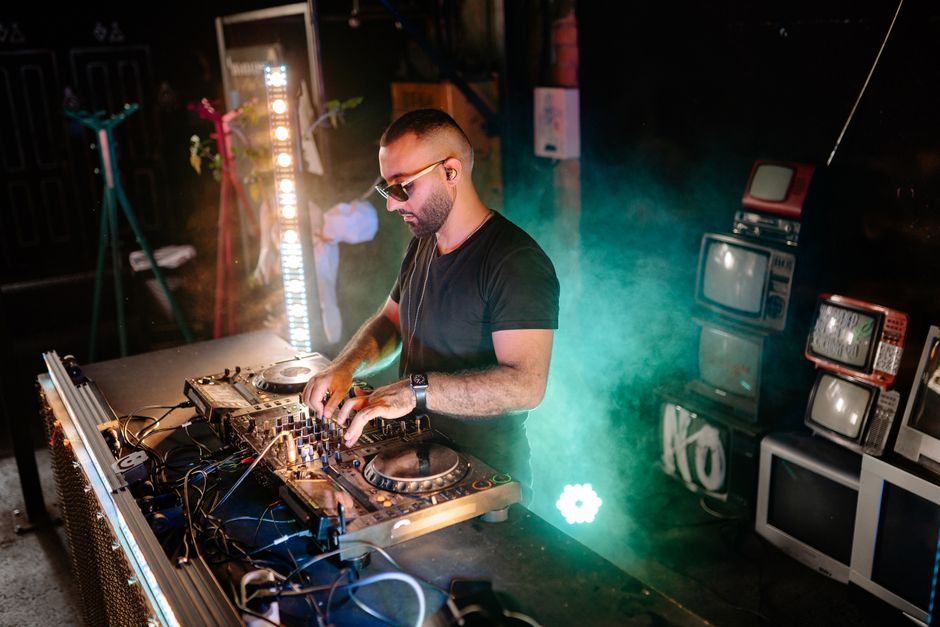
Not all techno is created equal, and neither is the way it’s broadcast. If you’ve ever tuned into one of those late-night digital streams promising a “real rave experience,” you might have noticed something strange: everyone claims authenticity, but few actually deliver it.
A Berlin Frequency That Changed Everything
Back in , Berlin’s FluxFM made a quiet but pivotal move—dedicating its Friday midnight slot exclusively to live-recorded sets from underground raves. For local clubbers, this wasn’t just radio; it was communion. And unlike algorithmic playlists or antiseptic studio sessions, what aired were raw, unpredictable moments—DJ glitches, crowd roars, sometimes even abrupt police shutdowns. FluxFM’s audience grew by nearly % among listeners aged – within two years—a number gleaned from internal station reports shared during the city’s annual Clubcommission conferences.
But outside Berlin? Things look different. In Los Angeles, promoters like Insomniac Radio lean heavily on polished mixes and promo partnerships with major festivals like EDC. The result: ultra-slick output but a loss of that gritty unpredictability that defined early rave culture. Here the “techno rave radio” label often means background ambiance for Lyft rides rather than an invitation to sweat-soaked basements.
Pirate Streams and the Illusion of Access
The allure of pirate radio never really died—it just moved online. In London, threads on platforms like Reddit’s r/ukraves still discuss secret SoundCloud links from anonymous collectives broadcasting marathon sets out of nondescript Hackney flats. These aren’t legal operations (and sometimes vanish overnight), but they offer something most licensed stations can’t: unsanctioned tracks, uncut dialogue between DJs and dancers, and—in rare cases—a phone-in line straight to someone spinning vinyl in real time.
Yet even here there’s tension between access and authenticity. A common workflow in these circles involves using open-source tools like BUTT (Broadcast Using This Tool) patched through Discord servers for real-time feedback from a core group of listeners—usually no more than at peak hours according to data gathered by UK-based streaming analytics startup Mixcloud Pro.
How Real Is The “Live” Experience?
Let’s be honest: most “live” techno radio isn’t live at all. Take Digitally Imported (DI.FM), one of the world’s largest electronic music broadcasters operating out of Denver since . Their flagship “Techno Channel” features endless loops of pre-recorded DJ sets stitched together by scheduling software—sometimes with generic crowd samples dubbed over transitions for effect.
A former DI.FM freelance curator told me off-record how only around % of their weekend programming involved actual live broadcasts in ; the rest were carefully layered reruns optimized for listener retention metrics—not dancefloor energy.
In Poland’s Wroclaw scene, however, I’ve seen smaller operations like Radio Luz host genuine DIY broadcasts from cramped university studios every Saturday night—no filters or post-production polish. They average about 2, concurrent listeners each week (according to their own public stats dashboard). But the trade-off? Occasional dead air when equipment fails mid-set or when campus security decides enough is enough at 4am.
Commercialization vs Community: Which Wins?
It’s worth asking who benefits as techno rave radio goes legit. When Amsterdam Dance Event partnered with Deezer for a dedicated festival channel in , streams soared—but so did sponsorship overlays and pre-roll ads touting Red Bull or Adidas Originals. For some fans, this branded experience undercuts the very spirit that once drove people to tune into clandestine FM frequencies at risk of fines or worse.
Meanwhile in Melbourne, grassroots project Area3000 runs donation-funded shows streamed directly from club venues using minimal gear—a battered Xone mixer and a single GoPro feeding both audio and grainy visuals via Twitch Live Producer. Their reach? Modest—typically around -1, viewers per event—but fiercely loyal according to survey responses published after their third anniversary last year: more than half said they wouldn’t bother with bigger commercial channels anymore.
When Technology Becomes a Gatekeeper—and an Enabler
Streaming technology lowered barriers but also created new ones: licensing costs, DMCA takedowns (especially brutal for US-based hobbyists), not to mention platform shadowbans if your setlist includes too many underground remixes without proper clearance.
A common workaround among Parisian crews has been double-streaming via Telegram voice chats while running throwaway YouTube accounts for wider reach—though both approaches invite periodic bans once flagged by automated copyright systems trained on mainstream releases rather than obscure warehouse edits.
So Where Do We Go From Here?
Maybe we’re left with two parallel universes: one where “techno rave radio” is an immersive communal ritual (warts and all), another where it’s curated content packaged for passive consumption—or advertising dollars.
But listen closely next time you stumble upon a random stream labeled “live from Berlin.” Does it sound spontaneous? Are there awkward pauses or unexpected shifts? Can you hear the room responding—not just the music but real bodies moving together somewhere out there?
Because if not… maybe you’re not listening to techno rave radio at all.