
What’s next for rave radio nobody talks about this
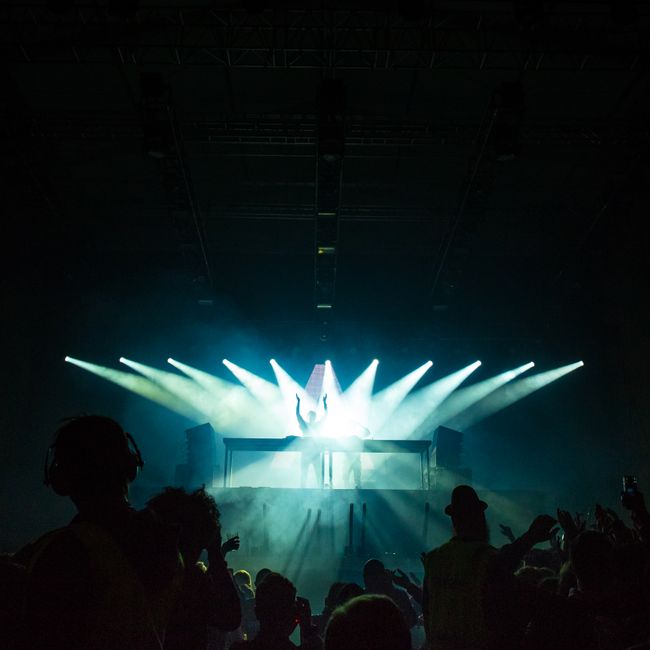
Somewhere on an overcast Berlin Sunday, at a warehouse with blown speakers, a makeshift FM rig is still humming. That’s not nostalgia—just the reality of what rave radio still looks like in for some European diehards. The conversation about its future, though? Practically silent, except for whispers among promoters and a handful of audio engineers who haven’t yet pivoted to TikTok.
London Pirate DNA vs. Spotify Algorithms
People love to mythologize the golden age: late-80s UK pirate stations—Kool FM, Rinse FM before it went legit—sending breakbeats across neighborhoods while dodging Ofcom vans. What gets missed is that even as mainstream platforms have eaten up audiences (Spotify alone claims over million users globally by ), there’s an entire tier of “micro-broadcasters” quietly shifting their tactics rather than fading out.
In South London right now, a collective called Threads Radio operates both online and through intermittent FM bursts. Their workflow is messy but deliberate: live sets are mixed straight from battered decks in Tottenham studios, routed via simple cloud encoders into both local airwaves and an online stream. It’s small-scale—their average show pulls maybe listeners live—but it preserves something no playlist can replicate: unpredictability and genuine locality.
The Unspoken Tech Tangle
A common trope says all audio has migrated to slick apps or YouTube livestreams. Not entirely true. In Poland last spring, I watched a crew called WIXAPOL set up a guerrilla rave broadcast using open-source software (Liquidsoap) on borrowed university servers. Their aim? To sidestep licensing headaches that plague Twitch DJs—and keep regional club music alive outside algorithmic silos.
Instead of competing with Apple Music, these groups purposely make their streams ephemeral. No archives, little trace. It mirrors the transient nature of raves themselves—a calculated rejection of platform permanence that major streaming services like Mixcloud don’t quite deliver despite hosting tens of thousands of DJ sets monthly.
Commercial Pressure and Creative Loopholes
Let’s talk numbers nobody wants to cite publicly: In Australia, independent radio station FBi Radio recently reported sponsorship income down % since due to advertisers chasing bigger podcast networks or video-first formats. Yet their electronic show slots remain fully booked months in advance—a contradiction born from loyal micro-scenes who see radio as more than background noise.
FBi has responded by running hybrid events—live-streamed club nights that double as broadcast content and ticketed community fundraisers. This isn’t just survival; it’s adaptation outside corporate logic. A similar pattern emerged in Berlin during lockdown years (–), when Cashmere Radio embedded Zoom callers into live ambient sessions—a workaround that persists in today’s programming because it actually grew audience engagement by around % during peak isolation weeks.
Case Study: Tallinn’s Rave Transmission Underground
Estonia might not be first on every global raver’s map, but local startup IDA Raadio proves how region-specific workflows shape what comes next for rave radio. Twice per month they run “illegal frequency” nights: pop-up analog broadcasts tied to off-location parties announced only hours before going live.
Their technical lead described the setup as “Lo-Fi by design.” They use handheld transmitters capped at low wattage (to stay under regulatory radar) paired with Discord-based chat rooms where listeners react in real time to whatever gets played—sometimes gabber classics, sometimes new-school Baltic techno cuts you won’t find elsewhere.
It’s less about reach—each transmission peaks at around listeners according to IDA staff—and more about maintaining community identity away from mass-market platforms where niche scenes risk dilution or worse, invisibility.
The Corporate Side Will Never Quite Get It—and That’s Fine?
Big names have tried to package the vibe: Boiler Room (founded ) built its empire on streaming video DJ sets but rarely replicates the intimacy—or chaos—of true pirate-era radio energy. Even their biggest rival NTS Radio (London-based but now broadcasting worldwide) admits privately that their listenership spikes only during headline guest mixes or festival tie-ins; regular night-time shows can dip below four-digit concurrent streams unless boosted via social media cross-promotion.
Meanwhile in Detroit—a city synonymous with techno history—the nonprofit station WDET ran a survey showing only % of young listeners tune in for dance-focused segments anymore; most discover new sounds through event listings or Discord communities linked back to hyper-localized streams instead.
Not Everything Should Scale Up…
The chase for scale misses something essential about rave radio culture: intimacy and fleetingness matter just as much as access. When GEMA (the German performance rights organization) cracked down on unlicensed online broadcasts last autumn, several crews simply shrank further underground instead of going legal or commercial—they swapped public links for Telegram invites and encrypted peer-to-peer streams limited to known circles.
This isn’t regression—it’s preservation of scene ecology against homogenizing tech trends seen elsewhere (think how Netflix Originals crowd out indie cinema).
So What Happens Next?
If you ask promoters in Paris or sound engineers at Prague’s FUCHS2 club space what they expect next year, you’ll hear practical answers—not utopian visions about universal accessibility or VR raves taking over everything overnight.
- More low-power transmitters tucked into gig bags,
- Smarter use of decentralized platforms like Owncast,
- Continued reliance on word-of-mouth distribution rather than chasing algorithmic exposure,
until someone finally invents sustainable monetization models designed *for* micro-audiences rather than against them.
And maybe that silence—the absence of grand narratives about “next-gen” rave radio—is itself telling: evolution here happens quietly, one bootleg transmitter at a time.