
Why rave music is growing so fast
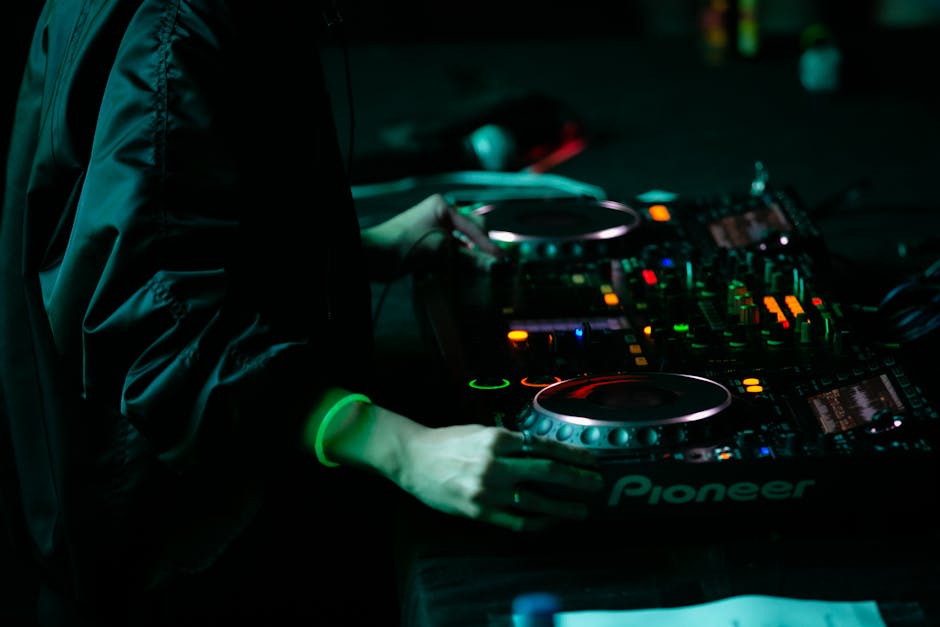
A decade ago, the idea of London’s Royal Albert Hall hosting a rave-inspired festival might have sounded like satire. But in , the venue sold out its first-ever all-night electronic event in under an hour. What’s going on? Why is rave music—a sound that once lived in squatted warehouses and underground car parks—now scaling up faster than most genres deemed “underground” ever do?
What’s fueling this acceleration isn’t just nostalgia or TikTok virality. It’s a collision of cultural hunger, digital workflows, and a surprising new ecosystem of labels and platforms.
Unlikely Catalysts: Pandemic Lockdowns as Accelerators
The pandemic didn’t invent rave culture; it unintentionally globalized it. In Berlin, club closures pushed crews like SYNOID to livestream full DJ sets from abandoned industrial spaces via Twitch. Within weeks in mid-, their follower counts spiked by over %, with viewers logging in from Tokyo to São Paulo—not just Kreuzberg regulars.
Meanwhile, Bandcamp Fridays (launched March ) became lifelines for hundreds of small labels specializing in hard techno and acid house. Labels like Lobster Theremin reported threefold increases in digital sales during lockdown months compared to baselines. This wasn’t just survival—it was expansion.
Algorithmic Discovery Loops: Spotify’s Quiet Revolution
Spotify’s editorial playlists now treat niche subgenres—gabber, trance revival—as algorithmic goldmines rather than curiosities. In practice, if you release a fast-paced breakbeat track through a distributor like DistroKid or Believe Music, there’s a realistic shot at hitting Discover Weekly recommendations for tens of thousands overnight.
This isn’t theoretical. A Sydney-based producer known as Mall Grab saw his monthly listeners jump from 50k to nearly half a million after repeated placement on ‘Brain Food’ and ‘Techno State’ playlists throughout –.
Making Tracks at Scale: Bedroom Producers Go Pro
In Poland, the Gdańsk-based studio Outsiders Recordings has doubled its roster since by exploiting Ableton Live collaboration tools and cloud sample libraries like Splice. Producers can swap stems across continents within hours—a workflow once reserved for major studios with expensive ISDN lines.
An engineer there described their current model: “We’ll get four demos from Argentina on Monday and have an EP mastered for Berlin distribution by Friday.” This kind of turnaround compresses what used to be months into days—and keeps the genre fresh with international cross-pollination at warp speed.
Festivals Adapt: From Local Raves to Global Circuits
One illustrative case: Amsterdam Dance Event (ADE), Europe’s largest club festival, expanded its programming post- with dedicated nights for subgenres previously dismissed as too niche—hardcore breaks, hyper-pop-influenced trance—because demand simply outstripped supply. Organizers reported ticketed attendance grew by roughly % year-on-year since re-opening after COVID restrictions.
In Melbourne, promoters behind Pitch Music & Arts Festival started seeing ticket requests from Southeast Asia—a region not previously associated with European-style raves—prompting collaborations with Thai and Singaporean collectives for next year’s lineup.
Physical Roots Remain…But Lines Blur Fast
For purists who equate raving with sweat-soaked basements and illegal parties on the outskirts of Manchester circa , this growth feels both exhilarating and disorienting. Yet even veteran DJs admit that virtual communities built during lockdowns didn’t evaporate when clubs reopened—they merged into hybrid realities where streaming events coexist with IRL lineups.
Take Boiler Room: Once famous for grainy videos shot in packed rooms from London to Johannesburg, they now simulcast events globally while experimenting with VR sets (recently piloted in partnership with Sensorium Galaxy). Attendance stats are murky but internal estimates suggest some digital festivals draw six-figure viewership peaks per session—numbers unattainable at any physical warehouse party.
Monetization Models Flip Old Logic Upside Down
Labels have adapted too. Instead of chasing mass-market radio play or CD sales (ancient history by now), outfits like Germany’s Ostgut Ton thrive through limited-edition vinyl drops coupled with Discord fan clubs offering exclusive live streams or tutorials. In typical workflows observed at Paris-based Possession Records, releases are mapped around digital-first premieres—with merch bundles sometimes outselling downloads two-to-one within launch week windows.
Not Just Europe Anymore: Regional Scenes Mature Rapidly
What began as a London-Berlin axis has become truly borderless. In Seoul’s Itaewon district, local crews like Cakeshop are collaborating directly with UK acts via Zoom workshops and remote mastering sessions handled between Korea and Bristol. South Africa’s gqom scene—which shares the pulse-heavy DNA of classic rave—has found audiences across France thanks to savvy playlist curation by Deezer editors based in Paris.
Why Now? A Convergence Decades in the Making
Historical footnote: British tabloid panic about acid house peaked around –; German reunification triggered Berlin’s techno explosion soon after; American cities had their own warehouse circuit by early 90s—but each era hit limits imposed by geography or analog logistics.
Now those barriers barely exist. Digital toolkits plus social media mean every city can host its own micro-rave movement—and export it instantly worldwide without waiting for MTV or record shop tastemakers to catch up.
If anything, what seems sudden is actually decades of infrastructure finally catching up to cultural demand—a demand that proved itself impossible to quarantine during even the strictest lockdowns.