
Why rave music matters
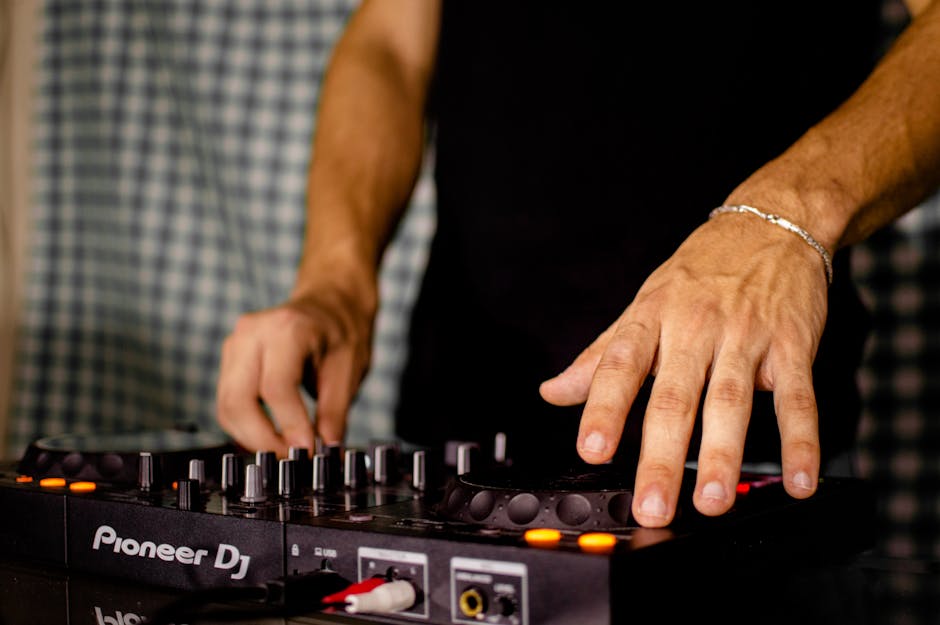
At two in the morning, wedged between a battered speaker stack and an improvised LED wall in a converted Berlin warehouse, you start to notice something odd. The people crowding the floor—tech workers, students, one retired teacher—aren’t only here for escapism or nostalgia. They’re here because rave music matters in ways most outside this scene wouldn’t guess.
There’s always been a tension around the genre: outsiders dismiss it as mindless thumping; insiders insist it’s culture. The truth is more complicated—and far more interesting—than either side admits.
Beyond Four-on-the-Floor: The Emotional Infrastructure
Rave music isn’t just relentless beats. In practice, it’s the backbone of a social operating system that has quietly shaped nightlife economies from Manchester to Melbourne since the late 1980s. In London, Fabric nightclub has run on this logic for decades. Pre-pandemic attendance averaged over 2, people each Friday—a scale that would make many local theaters jealous.
It’s not about size alone. When Berlin-based promoter Ostgut Ton launched its own label in to support Berghain’s sound, it wasn’t chasing pop charts but archiving an ephemeral feeling: unity on the dance floor at impossible hours.
Where Subcultures Become Soft Power
There are cities where clubs have become unofficial embassies. A friend of mine who manages bookings at Tresor describes how visiting DJs from Detroit or Tokyo treat their sets like summit meetings, bringing unreleased tracks to test-drive before international release.
In Melbourne’s northern suburbs, small production collectives like Animals Dancing have built up annual events that sell out faster than major festivals—without radio play or mainstream press coverage. These communities don’t just party; they trade track IDs like currency and swap tips on modular synth repair between sets. It’s cultural exchange without passports or embassies.
Case Study: Streaming and the Survival Instinct
In early , when COVID lockdowns hit Australia hard, Sydney’s Picnic Touring & Events faced financial collapse—their calendar wiped clean overnight. But within weeks they pivoted: livestreams from empty warehouses drew thousands of viewers across five continents via Twitch and Facebook Live.
Here’s what surprised them: nearly half their donations came from Europe and Japan—a demographic they’d never reached with physical shows alone. That digital leap was more than damage control; it became a new revenue stream when real-life events returned (live ticket sales rose by roughly % compared to pre-pandemic levels as their audience globalized).
You can trace similar stories through Amsterdam’s De School or Brooklyn Mirage—venues whose hybrid programming now regularly blends IRL and online raves for audiences scattered across time zones.
Hardware Meets Human Connection
Ask anyone running sound at Poland’s Jasna 1 club about workflow changes since —they’ll talk less about BPMs and more about networking gear upgrades for multi-camera streaming rigs. The technical arms race isn’t about spectacle alone; it reflects how even underground scenes adapt to survive while keeping community central.
Anecdotally: Afterparty organizers in Paris report DM groups where setlists are dissected post-event with timestamps clipped straight from SoundCloud replays uploaded by attendees themselves (often within hours). This feedback loop means DJs tailor future sets based on real-time fan reactions rather than industry trends alone.
Economics Few Talk About (But Everyone Feels)
Look beyond ticket sales and you’ll see why city councils quietly tolerate all-night licenses despite noise complaints. In Manchester, estimates suggest clubs contribute upwards of £ million annually—not only through direct spending but late-night transportation fees and hospitality spillover (one reason Transport for London supported Night Tube service expansion post-).
Meanwhile in Helsinki, government-backed initiatives like Flow Festival now incorporate late-night electronic stages as core programming—not just afterthoughts—reflecting how rave sensibilities shape broader entertainment strategy at city level.
Some Nights Are History Lessons in Disguise
Rewind to : A young Carl Cox spins sunrise sets at UK fields near Coventry while anti-rave laws loom overhead. Decades later those same breakbeats echo through Spotify playlists curated by Gen Z users who’ve never touched vinyl or heard pirate radio—but who know every drop by heart thanks to algorithmic discovery engines.
Today DJ mixes uploaded to Mixcloud rack up millions of listens monthly (the platform reported over million user uploads by late ), often blurring lines between archival preservation and living tradition.
Personal Footnotes From Ground Level
If you’ve ever worked coat check at Stockholm’s Under Bron—or simply waited outside—you notice patterns casual fans miss: strangers sharing earplugs on cold nights; regulars debating which year Gerd Janson played his best closing set; flyers annotated with Telegram group invites scribbled in marker by promoters desperate to evade algorithmic suppression on Instagram.
This is where rave music reveals its real mattering—not as product but process, not trend but ecosystem held together by thousands of tiny rituals most will never see on stage or screen.
So when someone scoffs that “it all sounds the same,” maybe nod politely—then invite them along next Friday night beneath flickering strobes somewhere anonymous yet unforgettable.